
Van Gogh's Vibrant Vision: The Story of The Yellow House
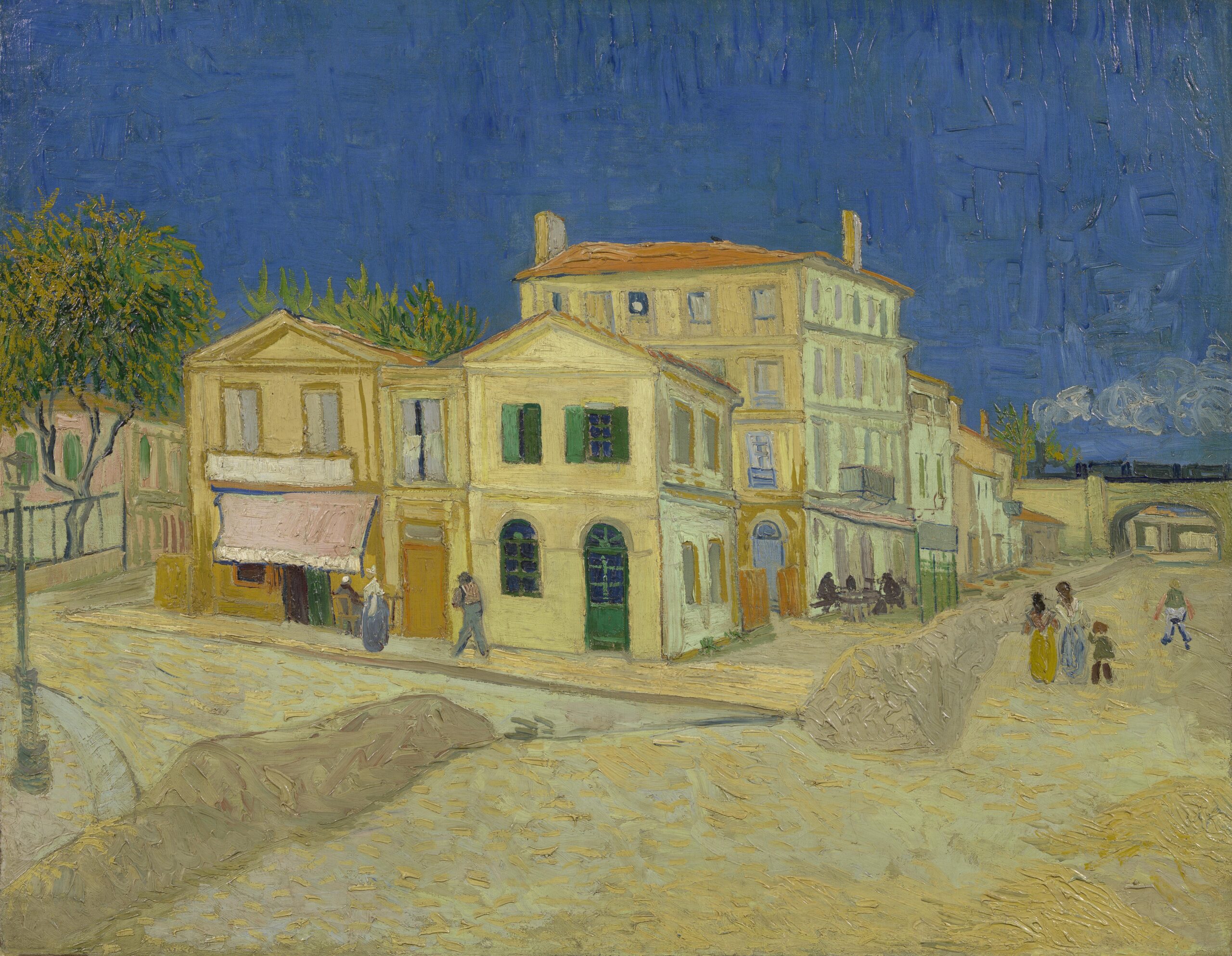
Step into the world of Vincent van Gogh, where the colors are as vivid as the artist’s imagination and the passion for creative expression is palpable. Today, we delve into the fascinating story of The Yellow House, a work that not only captures the essence of van Gogh’s artistic vision, but also his dreams for a utopian artists’ commune. A melting pot for creative minds, The Yellow House was van Gogh’s love letter to the concept of collaboration and camaraderie among artists.
The Yellow House: A Background
In the heart of Arles, a city in the south of France, Vincent van Gogh found inspiration in the colorful landscape and warm, golden sunlight. The year was 1888, and van Gogh rented a small, unassuming house, which would later become known as The Yellow House. This dwelling was immortalized in his painting, “The Yellow House” (also known as “The Street”), a vibrant representation of the artist’s home and the focal point of his dreams.
The Dream of a Studio of the South
Van Gogh’s vision for The Yellow House went far beyond creating a space for himself to live and work. He imagined a gathering place for artists, where they could create, inspire, and support one another in their artistic endeavors. This dream was fueled by his belief in the power of collaboration and the idea that the mingling of creative minds would produce a wellspring of new artistic ideas and expressions.
In his letters to his brother Theo, van Gogh detailed his plans for a “Studio of the South,” a haven for artists who shared his love for the vivid hues and warm light of the Mediterranean region. He believed that Arles, with its idyllic setting and rich history, would serve as the perfect backdrop for this artistic utopia.
The Arrival of Paul Gauguin
When Vincent van Gogh invited fellow artist Paul Gauguin to join him at The Yellow House, it seemed as if his dream was on the verge of becoming a reality. Gauguin, an artist who shared van Gogh’s passion for bold colors and unconventional ideas, arrived in Arles in October 1888. The two artists began working side by side, sharing techniques and exchanging ideas.
However, their time together was far from harmonious. The intense personalities of both artists clashed, leading to disagreements and escalating tensions. This tumultuous relationship would eventually come to a head in the infamous incident that led to the severing of van Gogh’s ear. Despite the eventual breakdown of their relationship, the time spent together at The Yellow House would leave an indelible mark on both artists’ careers and their respective bodies of work.
The Legacy of The Yellow House
Although van Gogh’s dream of an artists’ commune never fully materialized, The Yellow House remains a testament to his unwavering belief in the power of collaboration and the importance of supporting fellow artists. The painting itself, with its bold yellows and blues, captures the spirit and essence of the Mediterranean light that so inspired van Gogh during his time in Arles.
The Yellow House continues to captivate audiences, serving as a reminder of van Gogh’s incredible artistic talent and his enduring vision for a collaborative and supportive artistic community. The painting stands as a symbol of hope, perseverance, and the transformative power of artistic expression.
Conclusion
In The Yellow House, Vincent van Gogh immortalized a moment in time and a place that held so much promise and potential for artistic collaboration. While the dream of the Studio of the South may not have come to fruition, the spirit of the idea lives on, inspiring artists and art lovers